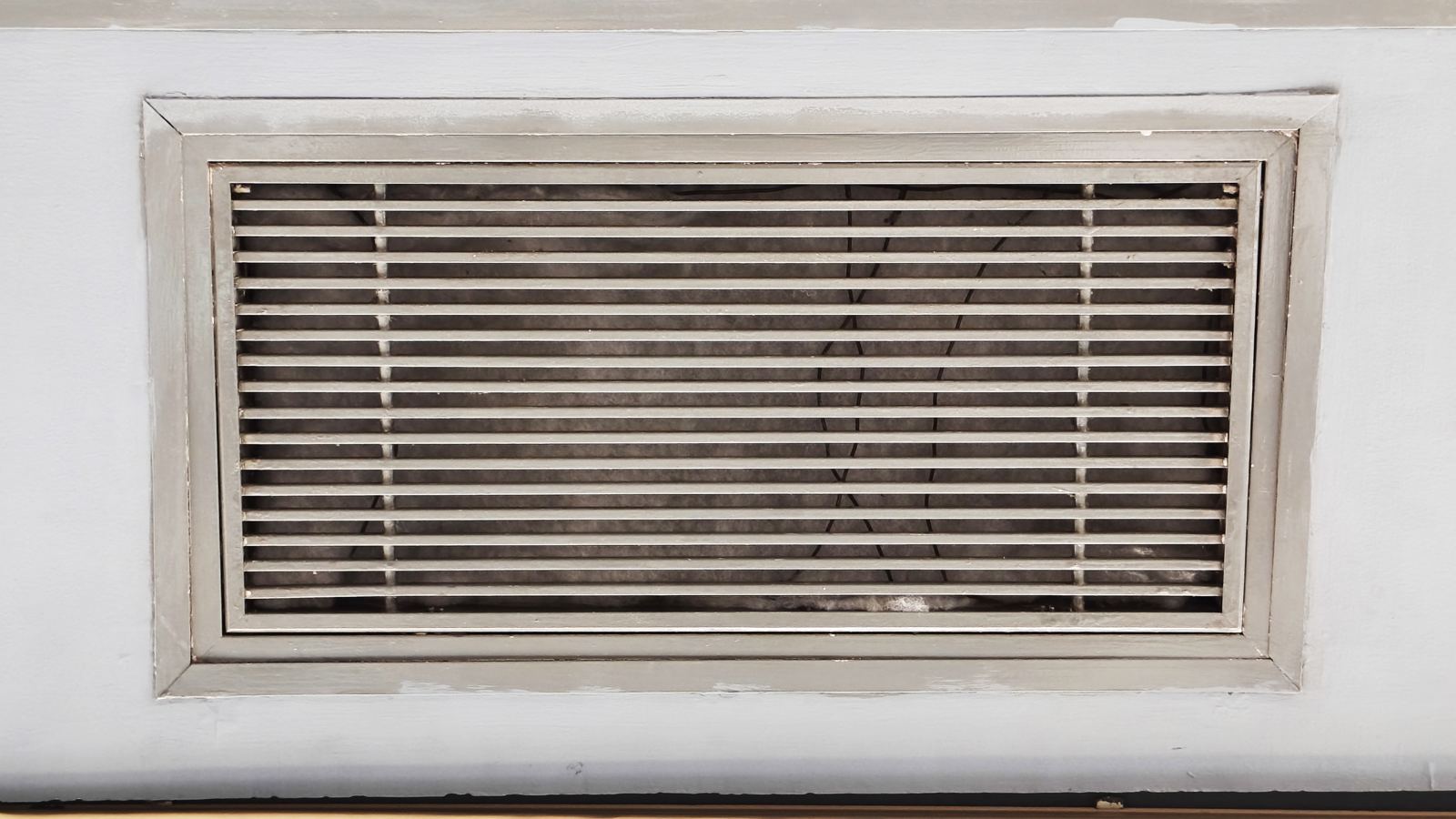
Air duct cleaning cost is set by a handful of measurable factors: system size, vent and return count, access difficulty, contamination level, cleaning method, and any add-ons like dryer vent or coil work. Honest pricing follows an on-site scope, not a phone script. DuctDove is a referral service — we connect you with local independent techs and quote nothing ourselves.
📞 Call (866) 370-5390Find your cityCost is where duct cleaning goes wrong most often, and the choreography is familiar. Coupon bait — the too-cheap whole-house special — gets a crew into the house at a number no one could profitably honor. Per-vent surprise math then rebuilds the total: the special covered a few supplies, returns are extra, trunks are extra, a fuel fee appears. Somewhere mid-visit comes the on-the-spot mold verdict, no lab sample taken, priced for urgency. And the clincher photos of appalling ducts are, more than occasionally, from other houses. Countermeasures: count your vents before anyone arrives, demand a written itemized quote after an on-site scope, require imagery from your own ductwork, and treat any diagnosis without lab work as theater.
Air duct cleaning cost comes down to labor time and equipment, which means a handful of concrete factors set every honest quote: how big the system is, how many vents and returns it has, how hard the ductwork is to reach, how dirty it actually is, what method the crew uses, and which add-ons — dryer vent, coil, blower — join the scope. Notice what's not on the list: your zip code's fear level, the coupon that got the crew in the door, or a mold story invented in your hallway. You'll find no prices on this page or anywhere on DuctDove, on purpose — we're a referral service, not the cleaner, and any number printed before a technician has scoped your specific system would be a guess dressed as a fact.
System size is the backbone of the quote because it maps directly to labor hours. A small single-story home with one air handler and short duct runs is a fundamentally different job from a large two-system house with long trunk lines, finished ceilings, and runs snaking through multiple levels. More ductwork means more setup, more agitation passes, more time under negative pressure, and more reassembly. Multiple systems effectively multiply the job — each air handler and its duct tree gets cleaned as its own unit. Square footage is a rough proxy, but duct layout matters more: two homes of identical size can carry very different amounts of ductwork. This is exactly why a legitimate quote follows an on-site scope. Any firm quoting a whole house sight unseen is pricing a fiction.
Every supply register and return grille is a work point: the technician removes it, cleans the drop or run behind it, agitates to the trunk, and reinstalls. Twelve openings is a different afternoon than thirty. Returns deserve special attention in a quote — they're larger, often dirtier, and frequently the first thing a lowball crew quietly excludes. When comparing bids, count your own vents and returns first; it's a ten-minute walk through the house. Then make sure each quote covers the same number. This is also where per-vent surprise math lives: a too-cheap special that covers 'the house' but bills every register individually once the crew arrives. A fair quote states the vent and return count it includes, in writing, before anyone unpacks a hose.
Ductwork you can walk up to costs less to clean than ductwork you have to fight. Trunk lines in an open basement or accessible attic allow the vacuum connection and access holes to go in quickly. Ducts buried behind finished ceilings, in tight crawlspaces, between floors, or under a slab demand more time, more careful cutting and resealing of access points, and sometimes specialty gear. High ceilings add ladder work at every register. None of this is padding — it's hours, and honest techs will point at the specific obstacle when they explain it. What to watch: an access surcharge that appears mid-job. Access difficulty is visible during the on-site scope, so it belongs in the written quote up front, not in a revised total announced from the crawlspace.
Yes, within honest limits. Ordinary dust accumulation is the baseline job. Heavy construction debris — drywall crumbs, sawdust, insulation — takes longer to agitate and capture. Vermin cleanup adds sanitation steps and handling care. And growth that looks mold-like changes the conversation entirely: per the EPA, confirming mold requires lab analysis, and genuine remediation is a different service under different rules — not a same-day upcharge shouted from a ladder. The pattern to respect: contamination raises the price through documented findings — photos from your ducts, itemized in writing. The pattern to reject: a quote that doubles after a dramatic flashlight moment. If a technician finds worse than expected, the professional move is to show you, in your own ductwork, before a single new line lands on the invoice.
Method drives both cost and value. Negative-air source removal — truck-mounted or portable vacuum on the trunk, whole system under suction, every run agitated — takes hours and real equipment, and prices like it. Rotary brush systems with point-of-contact collection are also legitimate and similarly labor-intensive. Then there's the blow-and-go: a shop vacuum and a few minutes at each register, which is cheap because it accomplishes almost nothing — dust beyond arm's reach stays put. This is the honest explanation for why quotes vary so widely for what sounds like the same job: they are not the same job. NADCA's ACR Standard describes source removal as the benchmark; when a bid undercuts everyone dramatically, the method is nearly always the difference. Ask every bidder to name their method and where the debris ends up.
Common add-ons: dryer vent cleaning, blower compartment cleaning, evaporator coil cleaning, and sanitizing treatments. The first three are legitimate work with real labor behind them — the dryer vent in particular is a lint-fire hazard worth addressing, and a matted coil genuinely impedes the system. Just insist each appears as its own line item so you can accept or decline individually. Sanitizer or deodorizer fogging deserves more skepticism: the EPA urges caution about chemical treatments inside ducts, and a spray offered as a default finishing touch is margin, not maintenance. The red flag isn't the add-on itself — it's bundling: a quote that only works as a package, or add-ons that materialize mid-job as mandatory. You set the scope; the technician prices it; nothing joins the invoice without your yes.
The too-cheap whole-house special is a lead-generation device, not a price. The mechanic is consistent everywhere it appears: a number far below the cost of doing the work gets the crew into your home. Once inside, the price rebuilds itself — the special turns out to cover a handful of vents, returns are extra, the trunk is extra, a fuel or equipment fee appears, and often a frightening discovery (usually mold, never lab-confirmed) converts the visit into a much larger invoice. Homeowners who resist get a blow-and-go that's worth roughly what was paid. The tell is arithmetic: hours of labor, two technicians, and industrial vacuum equipment cannot be profitably sold at a rock-bottom flyer price. When the entry number can't be real, the exit number is the actual product.
Comparing quotes only works when they describe the same job, so normalize before you judge. Confirm each bid covers the same vent and return count — count them yourself first. Confirm the method: negative-air or rotary-brush source removal, not a register wipe-down. Confirm what's included — trunk lines, drops, plenum — and which add-ons are separate lines. Confirm verification: before-and-after photos from your own ducts should be part of the deal. Then compare totals. A dramatically low outlier usually differs in method or coverage, not efficiency; a high outlier should be able to point at the specific labor behind the difference. Written quotes only — a number that exists solely in conversation can change without notice. Techs referred through DuctDove expect informed comparison; the honest ones welcome it.
A quote worth signing has six parts. The scope: which systems, how many vents and returns, whether trunk lines and the plenum are included. The method, named: negative-air or rotary-brush source removal. The add-ons, itemized separately: dryer vent, coil, blower — each declinable on its own. The access plan: where connections and any access holes go, and how holes get sealed. The verification: before-and-after imagery from your ductwork. And the total, fixed absent a documented change in scope that you approve in writing. What shouldn't appear: vague per-vent language without a stated count, mandatory sanitizing bundled in, or contingency fees that trigger at the crew's discretion. If a company resists putting this on paper, that reluctance is the most useful information the visit will produce.
Either structure can be honest; either can hide games. Flat-rate pricing is clean when the quote states exactly what the flat rate covers — system count, vent and return count, trunk lines — because then the number can't quietly shrink in coverage. Per-vent pricing can be fair for unusual homes, but it's also where surprise math thrives: the advertised figure covers supplies only, returns bill higher, and the count balloons on site. The structure matters less than the completeness: a good quote, in either format, lets you multiply and verify it yourself before work begins. Practical move: count your registers and returns before anyone visits, and ask every bidder to commit their count to writing. Discrepancies between their count and yours are worth resolving before, not after, the vacuum starts.
Often, yes — and a cost page that won't say so isn't being straight with you. The EPA notes duct cleaning has never been shown to prevent health problems. It recommends cleaning only in specific circumstances: visible mold, vermin infestation, or ducts clogged with excessive debris. If none of those conditions exist in your home, the best-value option is usually no cleaning at all — spend nothing, and check again when evidence appears. This is the cheapest sentence in the industry and the one you'll hear least. DuctDove is a referral service, and referrals only stay valuable if they're warranted; a technician who scopes your system and tells you it doesn't need cleaning has done exactly the job we hope for. Evidence decides the spend. Sometimes the right spend is nothing.
Ductwork is part of the building, so the owner typically authorizes and pays for cleaning, the same way they would for the furnace it connects to. Renters shouldn't pay to improve a landlord's mechanical system — and generally shouldn't authorize work on it either, since access and alterations usually sit in the landlord's column of the lease. The renter's effective move is documentation: photos of debris at the registers, notes on when it appears, and a written request. A technician's inspection report — evidence mapped to the EPA's trigger list — often does more than any amount of complaint. If you call DuctDove as a renter, say so; the local independent tech we refer can produce findings addressed to the property manager, who then makes the spending decision that is properly theirs.
You won't get a price from us, and that's a feature: DuctDove is a referral service, performs no cleaning, and refuses to guess at numbers for ductwork nobody has seen. What the toll-free call does: you describe your home — rough size, system count, what you've noticed — and we match you with a local, independent duct technician. That tech scopes your actual system on site and produces a written, itemized quote reflecting the real factors: vents, returns, access, contamination, method, add-ons. You compare, decline, or approve on your own schedule; nothing obligates you. The technician is an independent business, not our employee, and you never pay DuctDove anything. The quote arrives after the evidence, in writing, with your own ductwork as the exhibit. That order is the entire point.
Call toll-free and describe your home — size, systems, and what prompted the question.
We refer you to a local, independent duct technician; DuctDove sells no services itself.
The tech scopes your ductwork in person and writes an itemized quote from the real factors.
You approve the scope you want, and the work is done and verified against that written quote.
Because the quotes often describe different jobs. Vent and return counts differ, coverage differs, and — most of all — method differs: hours of negative-air source removal versus minutes of register wiping. Normalize the scope before comparing numbers. A dramatic outlier is almost always a difference in what's being done, not efficiency.
Occasionally a lean independent tech undercuts bigger outfits honestly — but verify before assuming it. The cheapest bid must still name a source-removal method, state the vent and return count in writing, and offer photos from your ducts. If it's built on a too-cheap whole-house special, the real price arrives mid-job.
Insist on the right order: on-site scope first, written itemized quote second, work third. Count your vents and returns before anyone arrives so you can check their math. One toll-free call to DuctDove matches you with a local independent technician who quotes that way — we're the referral, they're the price.
No, deliberately. DuctDove performs no cleaning and quotes nothing; we connect you with local independent technicians who price your actual system after scoping it. Any number published before someone has seen your ductwork is a guess or a hook, and hooks are the industry problem this site exists to route around.
Six move most quotes: system size and count, vent and return count, access difficulty, contamination level, cleaning method, and add-ons like dryer vent or coil work. All six are checkable — which is why an itemized written quote matters. A price that can't explain itself factor by factor is asking for trust it hasn't earned.
Vent and duct layout usually matter more than raw square footage. Two same-size homes can carry very different amounts of ductwork, and every register and return is a work point — removal, agitation, reassembly. Count your openings before collecting bids; it's the single best ten minutes of preparation a homeowner can spend.
Returns are larger, often dirtier, and take real labor — so pricing them is legitimate. The problem is quotes that hide them: a whole-house special that quietly covers supplies only, with returns appearing as on-site extras. Make every bid state, in writing, how many returns it includes. Excluded returns are the oldest surprise in the business.
A lead-generation price that can't survive contact with arithmetic: hours of labor and industrial vacuum equipment sold at a flyer number. Its purpose is entry. Once inside, the total rebuilds through per-vent extras, return surcharges, fees, and urgent discoveries. Either you pay the rebuilt price or receive a blow-and-go worth what you paid.
Some are. Dryer vent cleaning addresses a genuine lint-fire hazard, and coil or blower cleaning is real work when those components are matted. The rule is structural, not categorical: every add-on gets its own line item you can decline individually. Add-ons that are mandatory, bundled, or born mid-job are margin wearing a toolbelt.
Treat it skeptically. The EPA urges caution about chemical treatments inside ductwork, and fogging is frequently pushed as a default finishing touch because it's fast and high-margin. If a company proposes it, ask what specifically it's treating, what product is used, and why source removal alone doesn't suffice. Vague answers settle the question.
Scoped inspection, written quote, no scare-sell.
📞 (866) 370-5390🌀 Air Duct Cleaning🔥 Dryer Vent Cleaning❄️ HVAC Coil Cleaning🌬️ Furnace & Blower Cleaning🧰 Duct Sealing🔧 Duct Repair & Replacement🧱 Duct Insulation🍃 Sanitizing & Deodorizing🔍 Air Duct Inspection🏗️ Post-Construction Cleanup🏢 Commercial Duct Cleaning
 DuctDove